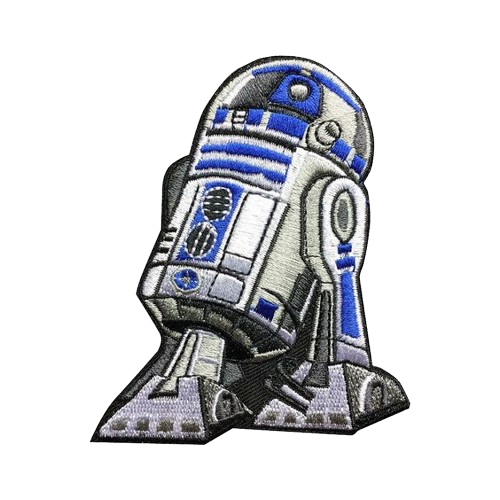
Custom Sew OnPatches Designs
We create custom sew-on patches that attach permanently to any fabric, including the nylon, leather, and technical materials that heat-applied backing cannot touch.
- Permanent Attachment
- Works On Any Fabric
- Removable & Transferable
- Built For Heavy Wear

Our Sew-On Patches
Why Choose Custom Sew-On Patches

Strongest Hold Copy
Stitching carries the load directly, which is why sew-on remains the standard for uniforms.

No Fabric Limits
Nylon, leather, waterproof shells, and stretch knits all accept a sew-on patch safely.

Customizable Designs
Choose your material, shape, size, border, and backing stiffness for clean stitching.
Sew-On Patches VS Iron-On Patches

Strength Of Attachment
- Sew-On Patches: Thread passes through the garment, so the bond is mechanical and does not weaken with heat or age.
- Iron-On Patches: Adhesive bonds to the fabric surface, which holds well but softens under repeated high heat.

Fabric Range
- Sew-On Patches: Safe on every fabric, including heat-sensitive, coated, and waterproof materials.
- Iron-On Patches: Limited to fabrics that tolerate a hot and dry iron, such as cotton, denim, and canvas.

Removable & Reusable
- Sew-On Patches: Can be unpicked and moved to another garment, which suits badges that outlive the item.
- Iron-On Patches: Removal risks marking the fabric, and the patch is rarely reusable afterward.

Best Application
- Sew-On Patches: Uniforms, workwear, insignia, leather, and technical outerwear.
- Iron-On Patches: Kids' clothing, denim, bags, and fast-turnaround personalization.

Why Choose Sew-On Patches

Embroidered Sew-On Patches
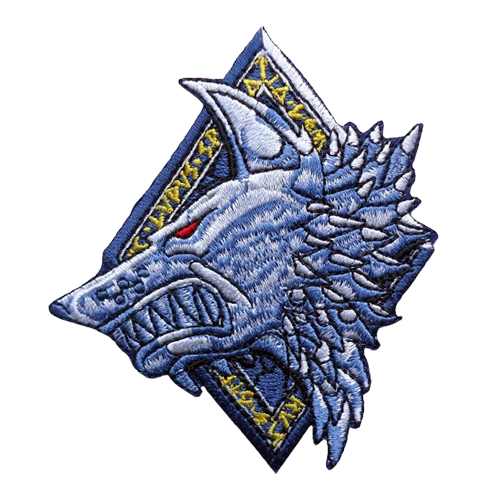
The traditional combination is still the most ordered. A merrowed border gives a clean edge to stitch along, which is why embroidered badges have been sewn on for over a century.

Woven Sew-On Patches
A thin, flat finish that holds fine detail and small text. The low profile means the patch sits flat under a stitch line without bunching, which suits shirts and lightweight apparel.

Chenille Sew-On Patches
Raised yarn letters and mascots sewn onto varsity jackets and team sweaters. Sew-on is the traditional method here, and it holds a large chest letter through years of wear.

Leather & Specialty Patches
Leather, suede, and coated materials cannot be heat applied at all, so stitching is the only option. These patches suit premium apparel, bags, and accessories where the material is the feature.

Uniforms & Workwear
Sew-on is the standard where garments face industrial laundering, high-heat drying, and daily wear that adhesive backing would not survive long-term.

Insignia & Badge Programs
Scouts, cadet groups, service organizations, and clubs rely on sew-on badges because they can be moved between garments as members progress.

Technical & Outdoor Gear
Waterproof shells, soft shells, and packs cannot take a hot iron without damage, so stitching is the only safe way to brand technical equipment.
Why Choose The Custom Patches For Custom Sew-On Patches

The Custom Patches finishes every sew-on patch with a clean, consistent border, which is what makes stitching straightforward whether the work is done by hand or on a machine. A ragged edge makes both harder.

We use quality threads, twill bases, and backing materials so patches keep their shape through industrial laundering. Backing stiffness is matched to the garment and the intended stitching method.

Our team advises on size, placement, and backing choice before production and handles single badges as readily as full uniform programs for schools, employers, and membership organizations.
Custom Sew-On Patches For Apparel
Refine your patches with a range of customization options so every design is unique. Choose your material, border finish, backing stiffness, shape, and size.

Backing & Stiffness Options
Choose a soft backing that follows the garment or a stiffened backing that holds the patch flat and square. Stiffness affects how easily a needle passes through, so we match it to your method.

Border & Edge Finishes
A merrowed border gives the raised, wrapped edge most sewers prefer to follow. Laser cut and embroidered outlines suit complex shapes, and both leave a clean line to stitch along.

Material & Finish Choices
Sew-on backing works across embroidered, woven, chenille, leather, and printed patches, so the attachment method never limits the finish you want on the garment.

Sizes, Shapes & Placement
Order standard shapes or fully custom outlines at the exact dimensions your placement requires. We advise on sizing for sleeves, chest panels, and back panels before production begins.
Frequently Asked Questions
Pin or baste the patch in position first, then stitch around the border roughly 3 mm in from the edge using a thread color that matches the border. A whipstitch or straight stitch works by hand, and a standard machine foot handles most patches on flat panels. Work slowly around curves so the patch does not shift.
Yes. Carefully unpicking the border stitches releases the patch without damaging it, and it can then be stitched onto another garment. This is why scouts, cadet groups, and service organizations choose sew-on for badges that need to move as uniforms are replaced.
Nylon, polyester shells, waterproof and coated fabrics, leather, suede, vinyl, silk, and stretch performance knits all require sew-on. Each either melts, marks, or rejects adhesive at the temperature iron-on backing needs. If you are unsure about a garment, send us the fabric details.
For heavy use, yes. Stitching does not weaken with heat, age, or repeated washing, which is why uniforms and workwear facing industrial laundering use sew-on as standard. For lighter garments, a correctly applied iron-on patch performs perfectly well.
Our Portfolio